

Options for Distressed Homeowners
-
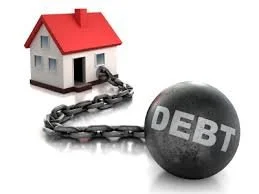
Homeowners who are struggling with their mortgage payments are facing tough choices—do you stay in a home you may no longer be able to afford or should you try to leave? While it may be difficult to think about leaving your home and making this decision, it may be the best option if other solutions to keep you in your home are no longer viable.
-

If you are facing a hardship—whether a financial hardship related to COVID-19 or other unexpected challenges—start exploring the mortgage relief options that can help you keep your home and avoid foreclosure. If you’ve already missed mortgage payments or think that you might, now’s the time to take action.
-

There may be better options. The most important thing is to avoid foreclosure—and options may be available to assist you if you're ready to leave your home. Some options may even offer cash incentives to help you move and transition into different housing. Now’s the time to take action before it’s too late.
Payment Deferral
If you’ve fallen behind on your mortgage due to a short-term hardship that is now resolved, and you are able to resume your regular monthly payments, you may qualify for a payment deferral.
This repayment option moves past-due amounts to the end of your loan term and immediately brings your loan to a current status. The deferred amount is due on your last mortgage payment date or earlier if you sell your home, refinance, or otherwise pay off your loan.
Forbearance
Are you experiencing a short-term hardship? Forbearance may provide temporary payment relief to assist homeowners dealing with a job loss, disability, illness, a recent disaster, divorce, death of a wage earner or other unique circumstances.
With this option, you and your mortgage company agree to temporarily suspend or reduce your monthly mortgage payments for a specific period of time. This option lets you deal with your short-term financial problems by giving you time to get back on your feet and bring your mortgage current.
Forbearance may be an option if you are:
Behind on your mortgage payments or on the verge of missing payments
Experiencing a temporary hardship
Loan Modification
Many homeowners have fallen behind on their mortgage and could soon be on the path to foreclosure without permanent help. If this sounds like your situation, you may be eligible to modify your mortgage.
Under this option, you reach an agreement between you and your mortgage company to change the original terms of your mortgage—such as payment amount, length of loan, interest rate, etc. In most cases, when your mortgage is modified, you can reduce your monthly payment to a more affordable amount.
A modification may be an option if:
You are ineligible to refinance
You are facing a long-term hardship
You are several months behind on your mortgage payments or likely to fall behind soon
Short Sale
A short sale is the sale of your home for less than the balance remaining on your mortgage. If your mortgage servicer agrees to a short sale, you can sell your home and pay off a portion of your mortgage balance with the proceeds. Depending on your situation you may be required to make a financial contribution toward the balance, but once the short sale is complete, you’ll be relieved of your responsibility to pay any remaining balance—called a “deficiency waiver.”
Eliminate your remaining mortgage debt
Relocation assistance may be available — up to $3,000
Start repairing your credit sooner than if you went through a foreclosure
May be able to get another Fannie Mae mortgage to purchase a home sooner (in as little as 2 years) than if you went through foreclosure (up to 7 years)
Deed-In-Lieu
A mortgage release could help you resolve your delinquency, avoid foreclosure and consider different options to exit the home.
A Mortgage Release is where you, the homeowner, voluntarily transfer the ownership of your property to the owner of your mortgage in exchange for a release from your mortgage loan and payments. Options are available (sometimes with a relocation incentive) to help you leave the home immediately; stay in the home for up to three months without paying rent; or lease the home (at market rates) for up to one year. Depending on your situation, you may be required to make a financial contribution to receive a mortgage release.
A Mortgage Release is an alternative to foreclosure and should be considered if:
You are ineligible to refinance or modify your mortgage
You are facing a long-term hardship
You are behind on your mortgage payments or will fall behind in the near futureYou owe more on your home than it’s worth
You don’t want to sell your home or haven’t been able to sell your home
You can no longer afford your home and you are ready to leave.
Bankruptcy
Bankruptcy is a legal process through which people or other entities who cannot repay debts to creditors may seek relief from some or all of their debts. In most jurisdictions, bankruptcy is imposed by a court order, often initiated by the debtor.
A bankruptcy discharge eliminates debts, but it doesn't eliminate liens. A lien allows the lender to take property, sell it at auction, and apply the proceeds to a loan balance. The lien stays on the property until the debt gets paid.